
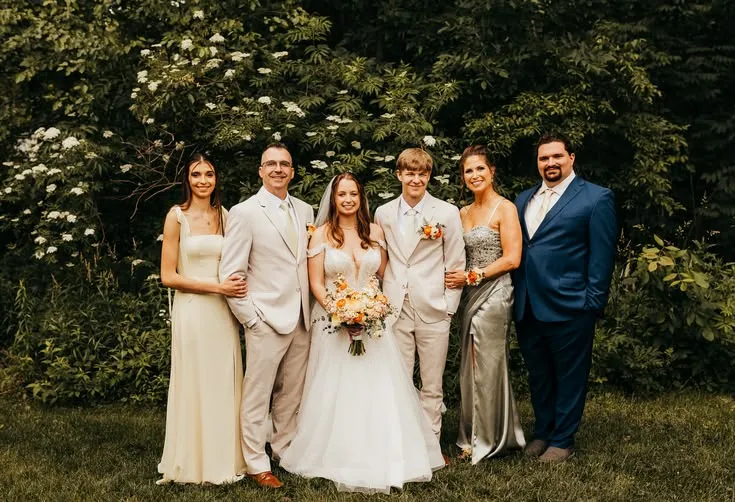
Family photographs can be some of the most valuable images from a wedding, but they can also be one of the most sensitive parts of the day. Divorced parents, stepparents, remarried relatives, estranged family members, and blended households can make a standard portrait list feel inadequate. Thoughtful planning helps couples document the people who matter without creating awkward surprises or forcing relationships into arrangements that do not feel comfortable. The goal is not to make every family structure look traditional; it is to create photographs that reflect the relationships that actually exist.
Build the List Around Real Relationships
A family portrait list should begin with the people the couple considers important, not with assumptions about how families are “supposed” to be grouped. One partner may want separate photographs with each parent, while another may want a parent and stepparent together.
Couples arranging Burnsville Nc Wedding Photography can share these preferences privately before the wedding. The photographer does not need the full family history, but a concise explanation of who should and should not be photographed together can prevent confusion when everyone is gathered after the ceremony.
Separate Essential Groups From Optional Ones
Long family lists often become difficult because every possible combination is treated as equally important. A better approach is to divide the list into essential photographs and optional combinations.
Essential groups might include the couple with each household, grandparents, siblings, and the people who played major roles in their lives. Optional images can be added if time and comfort allow. This keeps the session focused and reduces pressure on relatives who may already find the situation emotionally complicated.
Use Names Instead of Family Labels
Terms such as “mom’s side” or “dad’s side” may be too vague in blended families. Writing actual names next to each requested grouping makes the plan much clearer.
For example, “couple + Anna + Mark” is easier to follow than “parents” when a parent has remarried or when more than two parental figures are involved. Names also help the photographer call people efficiently without accidentally using a title that does not reflect the relationship.
Plan the Order to Reduce Awkward Waiting
The order of family portraits can make a major difference. If two relatives have a difficult relationship, they do not need to stand nearby for twenty minutes waiting for separate photographs.
A Destination Wedding Photographer Asheville may recommend grouping photographs so one household can finish and leave before another is called forward. This is especially useful at weddings where relatives have traveled long distances and may not know how the portrait process will be organized.
A sensible order protects both time and comfort without drawing attention to family tensions.
Tell the Photographer About Sensitive Situations
Some information is useful even when it never appears in the photographs. A recent divorce, bereavement, estrangement, or new family relationship may affect how people respond to certain groupings.
Couples can share only what is necessary. A simple note such as “please keep these two groups separate” may be enough. The photographer’s role is not to mediate family dynamics; it is to follow the agreed plan respectfully and avoid creating situations the couple has already identified as uncomfortable.
Include Chosen Family
Not every meaningful family relationship is biological or legal. Close friends, mentors, godparents, or longtime family friends may have played an important role in the couple’s lives.
Including one or two of these relationships in formal portraits can make the final gallery more representative of the couple’s real support system. These photographs are easy to miss if the list is built only around traditional family categories.
Keep the Process Discreet
Family portrait planning should not become a public discussion on the wedding day. The photographer, planner, or designated helper can work from the prepared list without explaining why certain combinations are included or excluded.
If someone requests an unplanned grouping that may create tension, the photographer can defer to the couple’s approved list or handle the request later if appropriate. Keeping the process calm and matter-of-fact helps everyone move through it more comfortably.
Conclusion
Blended families do not require complicated wedding photography, but they do benefit from more thoughtful preparation. Clear names, realistic groupings, a sensible portrait order, and private communication about sensitive relationships can prevent avoidable discomfort while preserving the people who matter most. Couples should feel free to include stepparents, separate households, chosen family, or any combination that reflects their actual lives. When the portrait plan is built around real relationships rather than a generic template, the resulting photographs can feel more honest, respectful, and meaningful for years to come.
