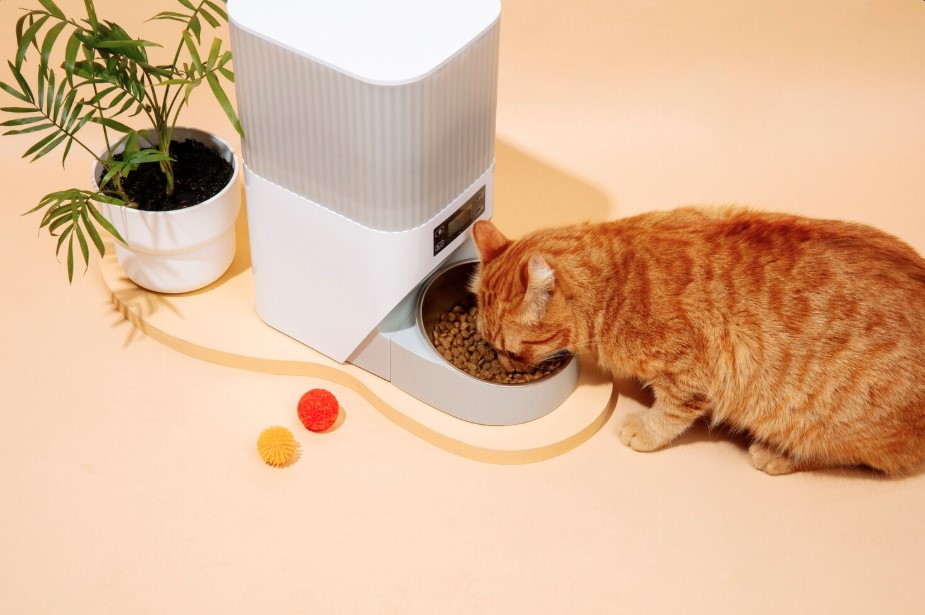
Every cat parent wants their furry companion to live a long, healthy, and happy life. While choosing the right cat supplies—like toys, litter, and grooming tools—is important, one factor outweighs them all: nutrition.
Surprisingly, one of the most common questions pet parents in the U.S. ask is:
👉 “How much dry food should I feed my cat?”
It sounds simple, but the answer depends on multiple factors—age, weight, activity level, metabolism, and even the type of cat supplies online you use, like automatic feeders or portion-control bowls.
Feeding too much can lead to obesity, diabetes, and joint issues. Feeding too little can result in malnutrition, low energy, and weakened immunity.
This guide dives deep into the science behind cat feeding, helping you understand:
-
Exactly how much dry food your cat needs
-
How to adjust portions based on lifestyle
-
Which feeding supplies make a real difference
-
How to build a balanced daily feeding routine
Let’s break it down step by step.
Understanding Your Cat’s Nutritional Needs
Cats are obligate carnivores. This means they require animal-based protein to survive and thrive. Unlike humans or dogs, cats depend heavily on:
-
High-quality protein
-
Essential amino acids like taurine
-
Moderate fats for energy
-
Limited carbohydrates
Key Nutritional Components in Dry Cat Food
When choosing dry food, make sure it includes:
-
Protein (30–40%) – Supports muscles and energy
-
Fat (10–20%) – Provides energy and supports coat health
-
Fiber – Aids digestion
-
Vitamins & minerals – For immune and organ health
💡 Not all dry foods are created equal. Premium options found in quality cat supplies online stores often contain better protein sources and fewer fillers.
How Much Dry Food to Feed a Cat (Exact Guidelines)
Let’s answer the core question.
General Feeding Chart (Based on Weight)
|
Cat Weight |
Daily Dry Food (Average) |
|
5 lbs |
¼ to ⅓ cup |
|
10 lbs |
⅓ to ½ cup |
|
15 lbs |
½ to ¾ cup |
|
20 lbs |
¾ to 1 cup |
⚠️ These are general guidelines. Always check your food brand’s label for exact calorie recommendations.
Calorie-Based Feeding (More Accurate Method)
A more precise way is calculating calories.
-
Average indoor cat needs: 20 calories per pound of body weight
-
Active/outdoor cat: 25–35 calories per pound
👉 Example:
A 10 lb indoor cat needs about 200 calories/day
If your dry food contains 400 kcal per cup → feed ½ cup daily
Factors That Affect Feeding Amounts
Not all cats are the same. Here’s what changes feeding needs:
1. Age
-
Kittens: Need 2–3x more calories (growth phase)
-
Adults: Stable intake
-
Senior cats: Lower metabolism → less food
2. Activity Level
-
Indoor cats → lower energy needs
-
Outdoor/active cats → higher intake required
3. Health Conditions
Certain conditions change feeding:
-
Obesity → reduced portions
-
Diabetes → controlled feeding schedule
-
Kidney issues → special diets
4. Type of Food
Different dry foods have different calorie densities.
Premium foods (available via trusted cat supplies online) often require smaller portions because they are nutrient-dense.
Common Feeding Mistakes Pet Parents Make
Even experienced cat owners get this wrong.
Free Feeding All Day
Leaving food out constantly leads to overeating.
Ignoring Portion Sizes
Eyeballing portions instead of measuring causes inconsistency.
Using Low-Quality Food
Cheap fillers = more quantity, less nutrition.
Not Adjusting for Lifestyle
Indoor cats don’t need the same amount as active cats.
Best Feeding Routine for Cats
Consistency is key.
Recommended Feeding Schedule
-
Feed 2 meals per day (morning & evening)
-
Maintain fixed timing
-
Avoid constant snacking
Portion Control Tips
-
Use measuring cups
-
Invest in portion-control feeders
-
Track weight monthly
Essential Cat Supplies That Improve Feeding
The right tools can completely transform your cat’s eating habits.
1. Automatic Feeders
-
Control portion sizes
-
Maintain feeding schedule even when you’re busy
2. Slow Feed Bowls
-
Prevent overeating
-
Improve digestion
3. Elevated Bowls
-
Better posture → improved digestion
4. Smart Feeding Devices
-
Track food intake
-
Ideal for multi-cat homes
High-quality cat supplies like these are widely available across top cat supplies online platforms and help ensure consistency.
Dry Food vs Wet Food: What’s Better?
This is a common debate.
Dry Food (Kibble)
✔ Convenient
✔ Longer shelf life
✔ Supports dental health
Wet Food
✔ Higher moisture content
✔ Better for hydration
✔ Often more palatable
👉 Best Approach: A mix of both for balanced nutrition.
How to Transition to the Right Feeding Amount
If you’re changing your cat’s diet:
7-Day Transition Plan
-
Day 1–2: 75% old + 25% new
-
Day 3–4: 50% old + 50% new
-
Day 5–6: 25% old + 75% new
-
Day 7: 100% new
This avoids digestive issues.
Signs You’re Feeding the Right Amount
Healthy Weight
You should feel ribs but not see them.
Consistent Energy Levels
Active, playful behavior.
Shiny Coat
Indicates proper nutrition.
Normal Stool
Firm, regular bowel movements.
Signs You’re Overfeeding or Underfeeding
Overfeeding
-
Rapid weight gain
-
Lethargy
-
Difficulty grooming
Underfeeding
-
Visible ribs
-
Low energy
-
Poor coat condition
USA Pet Care Trends: Feeding & Supplies (2025–2026)
Recent trends show:
-
Over 60% of U.S. cats are overweight (Association for Pet Obesity Prevention)
-
Growing demand for smart feeders and portion control tools
-
Surge in cat supplies online subscriptions for food delivery
-
Rise of natural, high-protein diets
This highlights the importance of combining smart feeding practices with the right cat supplies.
How to Choose the Best Dry Cat Food
When browsing cat supplies online, look for:
-
Real meat as the first ingredient
-
No artificial fillers (corn, soy)
-
Balanced nutrients (AAFCO-approved)
-
High protein percentage
Expert Tips for USA Cat Parents
-
Always measure food—never guess
-
Avoid feeding table scraps
-
Use feeding tools to maintain consistency
-
Monitor weight monthly
-
Consult a vet for personalized feeding plans
Conclusion: Balance is the Key to a Healthy Cat
Feeding your cat isn’t just about filling a bowl—it’s about understanding their biology, lifestyle, and nutritional needs.
By learning how much dry food to feed a cat, and pairing that knowledge with the right cat supplies, you create a system that supports long-term health.
With smarter choices, better feeding routines, and quality cat supplies online, you can ensure your feline companion stays healthy, active, and happy for years to come.
FAQs
1. How much dry food should I feed my cat daily?
Typically ¼ to ½ cup depending on weight, but calorie calculation is more accurate.
2. Can I free-feed my cat dry food?
No, it often leads to overeating and obesity. Scheduled feeding is better.
3. Is dry food enough for cats?
It can be, but combining with wet food improves hydration and nutrition.
4. How do I know if my cat is overweight?
If you can’t feel ribs easily or see a rounded belly, your cat may be overweight.