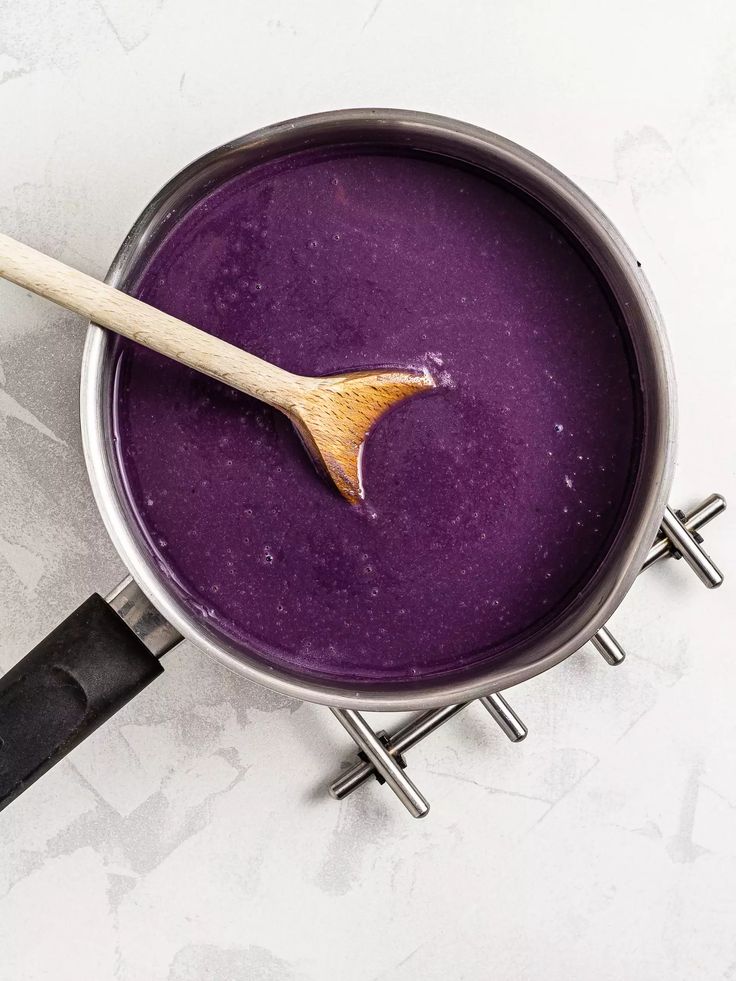
Food products today are expected to look fresh before anyone even tastes them. Many manufacturers now prefer ingredients that come from plants because shoppers often check labels more carefully than before. Red cabbage concentrate has become a useful option for brands that want dependable color from a natural source. At the same time interest in natural food coloring continues growing because businesses want practical ingredients that match changing market expectations without making recipes unnecessarily complicated.
Color Depends on Conditions
Natural ingredients behave differently depending on temperature acidity light exposure and the production method being used. That is why food manufacturers normally test every ingredient before adding it to large production batches. Small recipe adjustments often make a noticeable difference during processing. Careful product development helps maintain an attractive appearance while avoiding unnecessary waste. These practical steps also help businesses understand how natural ingredients perform throughout manufacturing packaging transportation and normal storage conditions after production finishes.
Works Across Food Categories
Many food manufacturers use Red cabbage concentrate in beverages confectionery products dairy items fruit preparations frozen desserts and decorative bakery applications because different recipes require different color solutions. Testing remains important since every product responds differently during production. Choosing the appropriate amount of natural essence can achieve a good look without affecting the overall product regime. Technical evaluations before commercial manufacturing usually save time and reduce unnecessary production adjustments later.
Quality Checks Stay Important
Reliable high-quality control is still an important part of herbal ingredient production for commercial food production. Growing conditions harvesting methods and processing methods can lead to slight differences between production groups. Manufacturers typically evaluate product specification laboratory reports and stability reports before approving materials for routine use. Careful efforts help with consistent production and help companies reduce avoidable releases. Strong preventive control also improves confidence in shipping products in separate plants and production schedules at all stages of the year.
Storage Makes a Difference
Proper storage conditions help preserve ingredient quality before manufacturing begins. Conditions of excessive heat, direct sunlight, humidity, or poor packaging can also reduce product performance over the years. Warehouses usually adhere to recommended storage practices to keep the elements under suitable conditions until production begins. Regular inventory checks will also help you save pointless losses. Focusing on these simple handling practices contributes to smoother production operations as subsidiaries maintain good consistency throughout repetitive cooking operations each day.
Industry Needs Keep Changing
Consumer expectations are constantly changing as more people are interested in simple ingredient lists and recognized food sources. Manufacturers often change product formulas to meet these market opportunities, while also maintaining the great taste and visual appeal of the product. R&D teams often look at many combinations of factors before deciding on the most appropriate option. These critiques help groups balance appearance production efficiency regulatory compliance and buyer happiness without introducing unnecessary complexity to existing production processes or hook-up dishes.
Selecting Trusted Partners
Choosing a reputable dealer is much more than comparing prices between particular companies. Businesses usually consider manufacturing standards, technical support certification records, product stability, and communication methods before choosing to buy. Clear documentation and a responsive supplier and steady supply also help manufacturers avoid surprise challenges. These realistic elements often influence the purchase choice only so much because of the component itself.
Conclusion
Natural color ingredients continue to become more important because food manufacturers want practical solutions that support modern product development without relying on synthetic alternatives. foodrgb.com shares helpful information that supports a better understanding of plant-based coloring options for commercial food shows. Careful factor selection suitable garages reliability extensive surveys and thoughtful supplier ratings all contribute to higher construction performance over the years. Every company has unique production needs so it is still a wise method to review technical records before making a purchase choice. Contact a reputable vendor to discuss the most appropriate option on your software.